


The integration of hybrid power systems in catamarans has emerged as a significant development in the marine industry, offering a blend of efficiency, sustainability, and performance. As a supplier of Hybrid Power Catamaran, I have witnessed firsthand how these systems have transformed the design and functionality of catamarans. In this blog post, I will explore how hybrid power systems in catamarans affect the boat's hull design.
1. Understanding Hybrid Power Systems in Catamarans
Hybrid power systems in catamarans typically combine traditional internal combustion engines with electric motors and energy storage systems such as batteries. These systems offer several advantages, including reduced fuel consumption, lower emissions, quieter operation, and increased flexibility in power management. By allowing the catamaran to operate on electric power alone at low speeds or in sensitive areas, hybrid systems can significantly reduce the environmental impact of boating.
2. Impact on Hull Shape and Dimensions
Hydrodynamic Efficiency
One of the primary considerations in hull design for hybrid power catamarans is hydrodynamic efficiency. Hybrid systems often allow for more precise control of power output, enabling the catamaran to operate at optimal speeds more consistently. This requires a hull shape that minimizes drag and maximizes lift. Catamarans with hybrid power systems may feature a more streamlined hull design, with a finer entry and a flatter run aft. This helps to reduce wave-making resistance and improve fuel efficiency, especially at cruising speeds.
Draft and Displacement
The addition of hybrid power components, such as batteries and electric motors, increases the weight of the catamaran. This can affect the boat's draft and displacement. To compensate for the additional weight, hull designers may need to increase the hull volume or adjust the hull shape to maintain stability and performance. In some cases, this may result in a slightly deeper draft, which can limit the catamaran's access to shallow waters. However, careful design and weight distribution can help to minimize these effects.
3. Structural Design Considerations
Weight Distribution
Proper weight distribution is crucial for the stability and performance of a catamaran. Hybrid power systems introduce additional weight in the form of batteries, electric motors, and associated equipment. Hull designers must carefully consider the placement of these components to ensure that the weight is evenly distributed throughout the boat. This may involve locating the batteries in the hulls or in a central compartment, depending on the specific design of the catamaran. By optimizing weight distribution, designers can improve the catamaran's handling, reduce the risk of heeling, and enhance overall safety.
Structural Reinforcement
The additional weight and vibrations associated with hybrid power systems may require additional structural reinforcement in the hull. This is particularly important in areas where the power components are mounted, such as the engine compartments and battery storage areas. Hull designers may use stronger materials, such as fiberglass or carbon fiber, and incorporate additional framing and bracing to ensure the structural integrity of the boat. By reinforcing the hull, designers can prevent damage and ensure the long-term durability of the catamaran.
4. Integration of Hybrid Components
Space Requirements
Hybrid power systems require additional space for the installation of batteries, electric motors, and control systems. Hull designers must consider these space requirements when designing the catamaran. This may involve modifying the interior layout of the boat to accommodate the hybrid components. For example, the battery storage area may need to be located in a dedicated compartment, and the electric motors may need to be installed in the engine rooms or in the hulls. By carefully planning the layout of the hybrid components, designers can ensure that they are integrated seamlessly into the catamaran's design.
Cooling and Ventilation
Hybrid power systems generate heat during operation, which requires effective cooling and ventilation. Hull designers must incorporate cooling systems, such as radiators or heat exchangers, into the hull design to dissipate the heat. Additionally, proper ventilation is essential to prevent the buildup of fumes and ensure the safety of the passengers and crew. This may involve the installation of ventilation ducts and fans in the engine compartments and battery storage areas. By providing adequate cooling and ventilation, designers can ensure the reliable operation of the hybrid power system.
5. Impact on Performance and Handling
Maneuverability
Hybrid power systems offer improved maneuverability compared to traditional diesel-powered catamarans. Electric motors provide instant torque, allowing for more precise control of the boat's speed and direction. This can be particularly beneficial in tight spaces, such as marinas or narrow channels. Hull designers can take advantage of this improved maneuverability by optimizing the hull shape and rudder design. For example, a catamaran with a hybrid power system may feature a more responsive rudder system, which can enhance the boat's ability to turn quickly and accurately.
Speed and Range
Hybrid power systems can significantly improve the speed and range of a catamaran. By combining the power of the internal combustion engines with the electric motors, catamarans can achieve higher speeds and longer ranges. Hull designers can optimize the hull design to take advantage of this increased power and efficiency. For example, a catamaran with a hybrid power system may have a more efficient hull shape, which can reduce drag and improve fuel efficiency. This can result in a higher top speed and a longer cruising range, making the catamaran more versatile and suitable for a wider range of applications.
6. Environmental Considerations
Reduced Emissions
One of the primary benefits of hybrid power systems is their ability to reduce emissions. By operating on electric power alone at low speeds or in sensitive areas, catamarans can significantly reduce their carbon footprint and minimize their impact on the environment. Hull designers can play a role in promoting environmental sustainability by designing hulls that are optimized for hybrid power systems. For example, a catamaran with a more streamlined hull design can reduce fuel consumption and emissions, even when operating on the internal combustion engines.
Noise Reduction
Hybrid power systems are generally quieter than traditional diesel-powered engines. This can enhance the comfort of the passengers and crew and reduce the impact on the marine environment. Hull designers can further reduce noise levels by incorporating sound insulation materials into the hull design. For example, the engine compartments and battery storage areas can be lined with sound-absorbing materials to reduce the transmission of noise and vibrations.

7. Conclusion
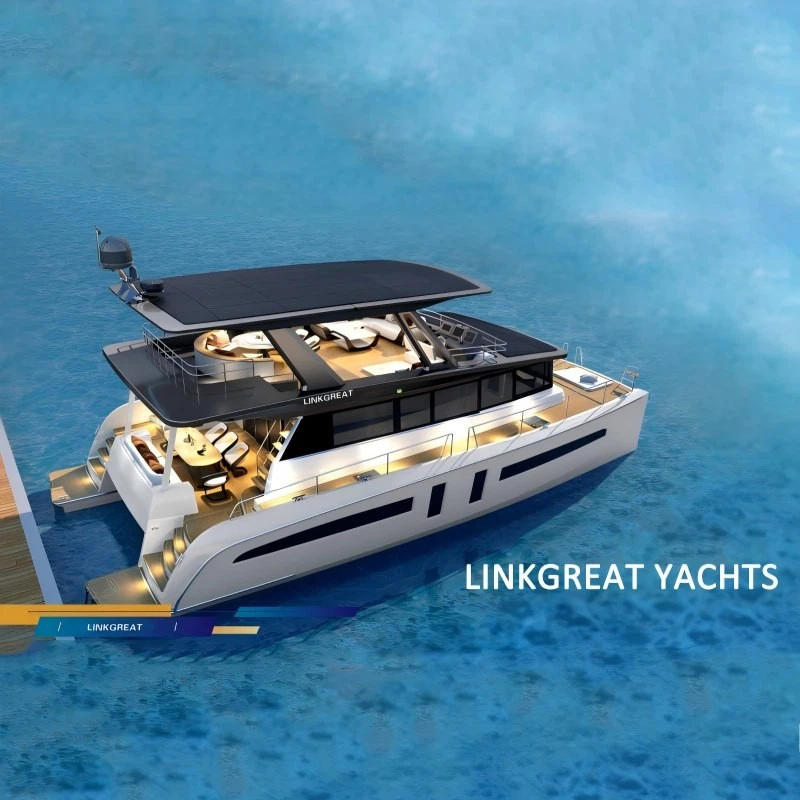
In conclusion, hybrid power systems have a significant impact on the hull design of catamarans. From hydrodynamic efficiency and structural design to performance and handling, hull designers must consider a wide range of factors when integrating hybrid power components into a catamaran's design. By carefully balancing these factors, designers can create catamarans that offer improved efficiency, sustainability, and performance.
As a supplier of Hybrid Power Catamaran and Hybrid Propulsion Catamaran, we are committed to providing our customers with the latest technology and innovative design solutions. If you are interested in learning more about our hybrid power catamarans or would like to discuss your specific requirements, please contact us. We look forward to working with you to create the perfect catamaran for your needs.
References
- Larsson, L., & Eliasson, R. (2000). Principles of Yacht Design. International Marine/McGraw-Hill.
- Marchaj, C. A. (1988). Aero-Hydrodynamics of Sailing. International Marine.
- Van Oossanen, P. (2012). High-Speed Displacement and Semi-Displacement Hull Forms. The Nautical Institute.


